Pre-Arrival Checklist
This page provides important information for degree-seeking F-1 international students and J-1 exchange students from SFSU partner universities who plan to begin their studies at SFSU.
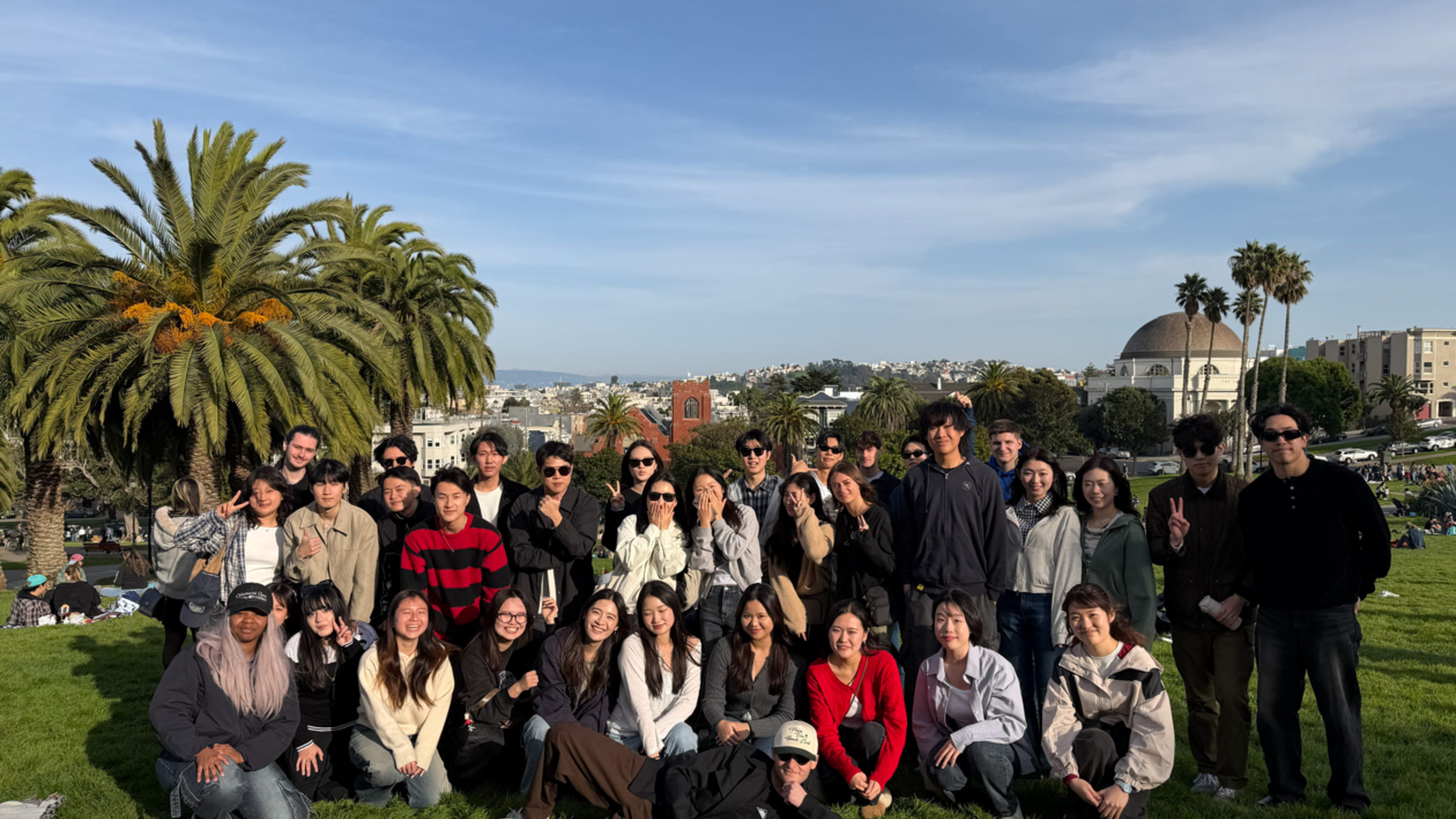
Save the Date!
The FREE Spring 2027 International Student Orientation (ISO) will be held on January 19, 2027 (In Person) and January 20, 2027 (Virtual).
All new Spring 2027 students must arrive in San Francisco by January 25, 2027, the first day of Spring 2027 instruction.
Register for Classes
While waiting for the visa officer’s decision, you can still get ready to begin your journey at SFSU! Clear any registration holds and secure your class enrollment as soon as possible, even while your visa is still being processed.
You must pursue full-time study to stay legally in the U.S.
- Undergraduate students must enroll in a minimum of 12 units to be considered full-time, of which at least 9 units must be in-person/hybrid.
- Graduate students must enroll in a minimum of 8 units to be considered full-time, of which at least 5 units must be in-person/hybrid.
To understand the definition of full-time enrollment, visit Maintaining F-1 Status.
- Logon to your student center to see if you have any registration holds.
- Read "How to enroll" instructions at Registrar's website.
- 💲Clear the International Health Insurance Hold.
- You must clear the "International Health Insurance Hold" before registering for classess.
- To clear hold, purchase SFSU sponsored international health insurance plan.
Undergraduate Students
- Read Admitted Students to learn how to complete your admission file and sign up for the New Student Orientation.
- Visit New Student Orientation to sign up for the orientation and pay a non-refundable orientation fee.
- You must attend New Student Orientation to receive academic advising and register for classes.
Graduate Students
- See new graduate students' class registration time at Registrar's website.
- Visit Division of Graduate Studies to connect with the Graduate Coordinator for academic advising.
- Attend free New Graduate Student Orientation.
Tuition and fee information
- Review "Tuition and Fees Breakdown" at Bursar's Office website.
- Tuition and fees are subject to change without prior notice.
Understanding your tuitions and fees
As an international student, your tuition charges typically include:
- Undergraduate or Graduate Tuition Fees, and
- Non-Resident Tuition Fees charged per unit
Calculate your tuition and fees
To estimate your tuition costs, multiply the current non-resident tuition rate by the number of units you plan to enroll in and add the applicable undergraduate or graduate tuition and campus fees.
Example: The undergraduate tuition and fees for 6.1 or more units in Spring 2027 are $4,412. Because F-1 undergraduate students must enroll in at least 12 units to maintain their status, they are also charged non-resident tuition. At $471 per unit, the non-resident tuition for 12 units is $5,652.
Total estimated tuition and fees:
$4,412 (tuition and campus fees) + $5,652 (non-resident tuition) = $10,064
Important: Tuition and fee rates may change from year to year. Always refer to Bursar's Office website for the most up-to-date information before registering for classes.
When to pay tuition and fees
- Pay after you enroll: Wait until you have registered for classes and your tuition charges appear in Gateway/MySFSU before making a payment. It generally takes 24 hours for the system to calculate your tuition and fees. SFSU can only accept payment for the exact amount due.
- Payment deadlines: See "Payment Due Dates" on Bursar's Office website.
How to pay tuition and fees
- Review "Student Fee Payment Methods" on Bursar's Office website
- SFSU has partnered with Flywire to make international tuition payments easier and more secure. Wire transfer is not available.
- WeChat Pay is available as a payment method.
- Tuition and fees are paid one semester at a time.
Apply for a F-1 Visa
Before applying for a visa
Before applying for an F-1 or J-1 visa, take time to review your immigration documents and prepare for the visa application process.
- Review your I-20 or DS-2019 as soon as you receive it.
- Verify that all information is correct, including your name, date of birth, program information, and program dates.
- Create a secure folder for your immigration documents and keep copies of all important records.
- Pay the I-901 SEVIS fee before your visa interview.
- Locate the nearest U.S. embassy or consulate and schedule your visa appointment as early as possible.
- Check current visa appointment wait times before making travel plans.
Canadian citizens are generally not required to obtain an F-1 or J-1 visa to study in the U.S.
Visa interview requirements
Visa interview requirements may vary based on your citizenship, visa type, and individual circumstances. See Important Update on Waivers of the Interview Requirement for Certain Nonimmigrant Visa Applicants (state.gov).
The following resources may help you prepare for your visa application:
- 10 Points to Remember When Applying for a Student Visa
- U.S. Immigration and Customs Enforcement (ICE): Student Process Steps: How to Navigate the U.S. Immigration System
- List of U.S. Embassies, Consulates, and Diplomatic Missions
- Education U.S.A: Prepare for the Student Visa
- Visa Wait Times - for Interview Appointments and Processing
- Check visa application status
Visa Approval/Denial
Book your flights
- You may enter the U.S. no earlier than 30 days before the program start date listed on your I-20.
- Plan to arrive no later than your program start date. Arriving on time is an important part of a successful start to your studies at SFSU. We do not issue late arrival letters.
- Review the "First-Time Arrival: Key Information for New Students" information on International Student Travel.
Arrange temporary housing and secure permanent housing
- If possible, arrange temporary accommodations before departing for the U.S.
- It can be difficult to search for housing immediately after a long international flight, especially if you are unfamiliar with the area.
- The Division of International Education does not provide temporary housing for incoming students.
- If you do not have friends or family to stay with, consider reserving a hotel, hostel, or other temporary accommodation before you arrive.
When searching for permanent housing, be cautious of housing scams. Never send money or pay a deposit for an apartment unless you have viewed the property and confirmed that the listing is legitimate.
Understand the reason for the denial
- Review the information provided by the U.S. embassy or consulate and make sure you understand why your visa application was denied.
- See Visa Denials from the U.S. Department of Travel
Reapply for admission if needed
- If you still plan to attend SFSU, you may apply for admission for the next available semester and submit a new visa application.
- Undergraduate applicants: Contact International Undergraduate Admissions at ugintl@sfsu.edu.
- Graduate applicants: Contact the Division of Graduate Studies at gradstudies@sfsu.edu.
Request an insurance refund, if applicable
- If you purchased international student health insurance and will not attend SFSU, contact f1@sfsu.edu to inquire about refund eligibility.
Drop your classes if you will not attend SFSU
- If you have enrolled in classes and no longer plan to attend, you are responsible for dropping your courses so other students can register. The university will not drop classes on your behalf.
Request a tuition refund, if applicable
- If you have enrolled in classes and paid tuition and fees, you must first drop your classes and then request a refund according to university deadlines and policies.
- To receive the maximum refund available, complete the process before the first day of the semester.
Housing at SFSU
Apply for on-campus housing as soon as possible and secure your spot in a vibrant and supportive living community.
On-Campus Housing for First-Time Freshmen
All international first-time Freshmen will get priority to secure housing. You are encouraged to apply for housing before November 1, 2026. This helps ensure you have a comfortable and convenient place to call home while you focus on your studies.
SFSU On-Campus Student Housing
Finding safe, affordable, and reliable housing is an important part of preparing for your studies at SFSU. Housing costs in San Francisco are among the highest in the U.S., so it is important to research your options and develop a realistic budget before you arrive.
As a general guide, monthly rent in San Francisco often exceeds $2,500 for a studio apartment and $3,500 for a one-bedroom apartment. Many students reduce housing costs by sharing apartments or renting a room in a shared household. You can review current rental market information at Average Rent in San Francisco, CA, and Cost Information - Zumper.
Important: The Division of International Education does not arrange housing for incoming students. You are responsible for securing your own housing before or after arriving in San Francisco. We strongly recommend researching housing options early and being cautious of rental scams when searching online.
Recognizing Scams and Fraud
One of the most common scams targeting international students involves housing advertisements. Because many students begin searching for housing before arriving in the U.S., scammers may take advantage of the situation by posting fake rental listings, using stolen photos, or requesting payments for properties that do not exist.
When searching for housing, be cautious of landlords or property managers who ask you to send money before you have verified the property and signed a lease agreement.
Keep in mind
- Never pay a security deposit, application fee, or first month's rent before you have reviewed and signed a rental agreement.
- Avoid renting an apartment or room that cannot be viewed in person or through a verified live video tour.
- Be cautious of deals that seem too good to be true or landlords who pressure you to make immediate payments.
- Never provide a copy of your passport or other personal documents to someone whose identity and property ownership have not been verified.
- If possible, arrange temporary housing first and search for long-term housing after you arrive in San Francisco and can visit properties in person.
Further Reading
Unfortunately, phishing scams are common and often target college students, including international students. Be cautious of emails, text messages, or social media messages offering employment opportunities, discounts, prizes, or other benefits that seem too good to be true.
Scammers frequently impersonate universities, government agencies, employers, banks, or technology providers in an attempt to obtain your personal information, passwords, or money.
Keep in mind
- Be skeptical of unsolicited job offers, especially those promising high pay for minimal work or "work-from-home" opportunities.
- Always verify who sent the email before responding or clicking any links.
- Legitimate university offices will communicate using official university email accounts and websites.
- Never share your password, verification codes, banking information, or other sensitive personal information by email.
- Be cautious of emails that create a sense of urgency or ask you to take immediate action.
- An email about an account or technology issue will not come from a random student email account.
Example: If someone using an @mail.sfsu.edu student email address asks you to provide your password or click a link to verify your account, the message is almost certainly fraudulent. SFSU will never ask you to send your password by email.
Report suspicious emails
- If you receive a suspicious email in Outlook, use the Report Phishing button to report it.
- If you are unsure whether an email is legitimate, contact Information Technology Services (ITS) at service@sfsu.edu before responding, clicking links, or providing any information.
Setting Financial Expectations
Planning for your finances
Studying in the U.S. and living in the Bay Area can be a rewarding experience, but it also requires careful financial planning. Before arriving at SFSU, make sure you have adequate financial resources to support yourself throughout your program and to manage unexpected expenses that may arise during your studies.
Financial aid
As an international or exchange student, you are responsible for covering all educational and living expenses while studying in the U.S. SFSU does not provide financial assistance to cover the full cost of attendance for international students, and most U.S. federal financial aid programs are not available to F-1 and J-1 students. We strongly encourage you to secure sufficient funding before arriving in the U.S.
Expected expenses vs. actual expenses
Although you may have demonstrated sufficient financial support to receive your I-20 or DS-2019, your actual expenses may differ from the estimates used for immigration purposes. Housing costs, transportation, health care, personal expenses, and other unexpected costs can vary significantly from student to student. It is important to plan for expenses beyond the minimum funding requirement.
Budget wisely
To help ensure a successful academic experience, create a realistic budget and make sure you have adequate funds for:
- Tuition and fees
- Health insurance
- Housing and living expenses
- Food
- Books and course materials
- Computers and other technology needs
- Local transportation and travel expenses
- Personal and emergency expenses
Careful financial planning can help you focus on your studies and reduce financial stress while attending SFSU.
Understanding refundable and non-refundable fees
As you plan for your studies at SFSU, it is important to understand which fees are refundable and which are not. Knowing this information can help you make informed financial decisions and avoid unexpected expenses if your plans change.
Non-refundable fees
The following fees are generally non-refundable:
- New Student Orientation fee: Approximately $50-$70.
- Housing application fee: $30.
Refundable fees
The following fees may be refundable, subject to applicable deadlines and university policies:
- International student health insurance: If you are unable to attend SFSU, you must drop all classes by the first day of the semester and request a refund by emailing f1@sfsu.edu.
- Tuition and fees (F-1 students): Depending on the timing of your withdrawal, you may be eligible for a refund of tuition and fees. Review the refund schedule on the Bursar's Office website for details.
- Housing application initial payment: Refund eligibility and deadlines vary. Review the University Housing website for current refund policies and deadlines.
Important: All fees, refund policies, and deadlines are subject to change without notice. Always check the appropriate SFSU office website for the most current information before making financial commitments.
First Semester Expectations
Orientation programs help you transition to life at SFSU, learn about university resources, and connect with fellow students. Most orientation programs are mandatory because they provide important information about academic expectations, campus services, student support resources, and your responsibilities as an SFSU student.
Attending orientation is one of the best ways to start your SFSU experience and prepare for a successful transition to university life.
SFSU may require you to complete mandatory training related to academics, student health and safety, and campus life. Information about required training will be sent to your SFSU student email account, so it is important to check your email regularly.
For example, all new students are required to complete Sexual Violence Prevention Education training during their first semester. Additional information and instructions will be provided by the university.
You may also be required to complete training through your academic department or other campus offices before attending classes, accessing laboratories, using specialized equipment, participating in internships, or engaging in other academic activities.
Be sure to complete all required training by the deadlines provided to avoid delays or restrictions that may affect your academic experience.