Living in the U.S.
Studying in a new country can be an exciting and rewarding experience. This page provides information and resources to help you adjust to life at SFSU and in the United States,
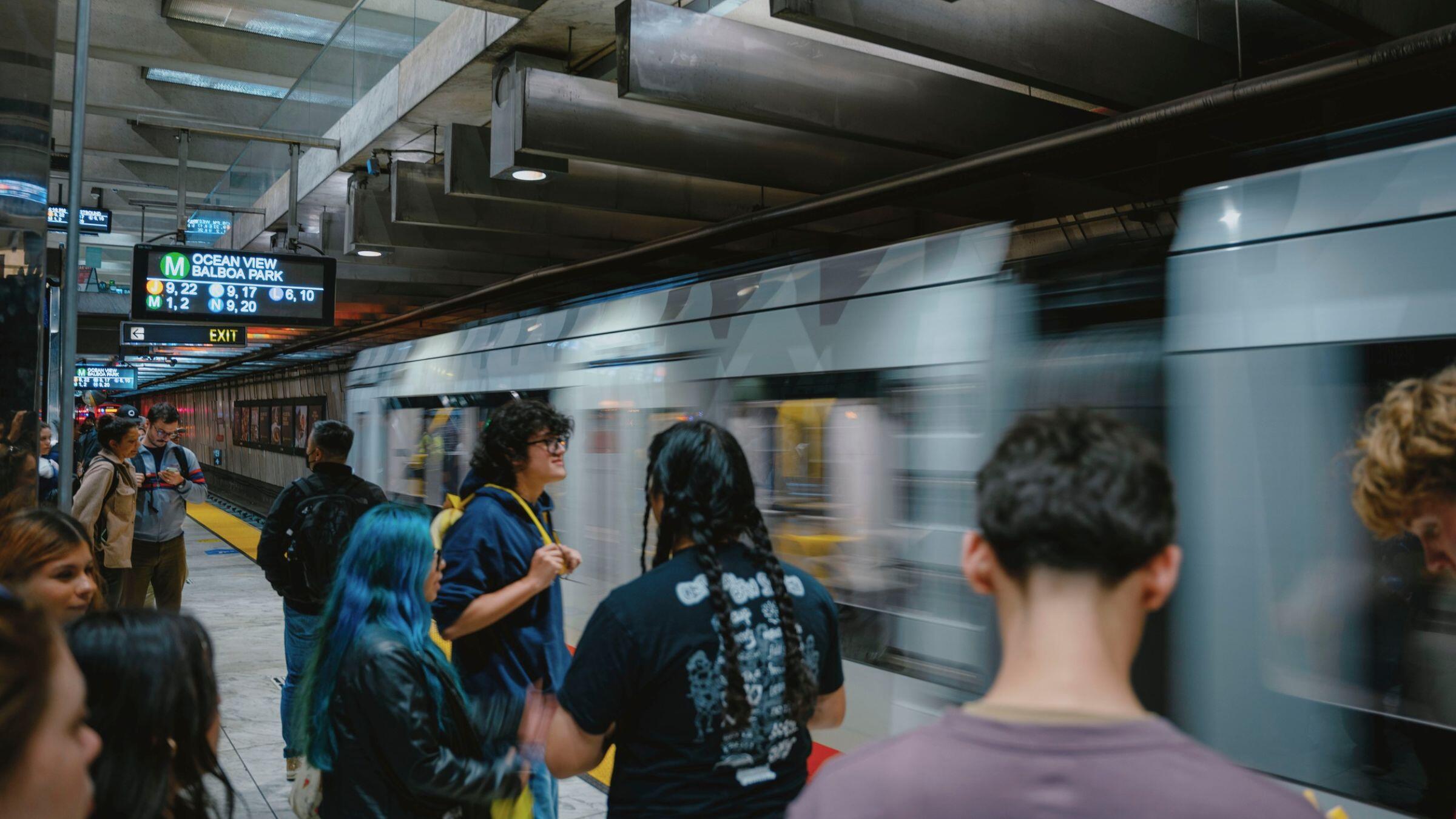
As an international student, you will encounter new academic, cultural, and everyday experiences. Being prepared and knowing where to find support can help you thrive both inside and outside the classroom.
Living in the U.S.
F-1 and J-1 students can apply for a California driver's license through the California Department of Motor Vehicles (DMV). International driver's licenses are not valid for long-term residents in California. Driving without a valid license may result in fines, vehicle impoundment, or other penalties.
Before applying, you must:
- Be in active F-1 or J-1 status. Review the DMV's Limited Term for Legal Presence - California DMV requirements.
- Have been in the United States for at least 10 days (F-1 students) or 30 days (some J-1 students may need additional time for status validation).
- Be enrolled full-time unless you are participating in OPT, STEM OPT, or Academic Training.
If you plan to own a car, motorcycle, or motorized scooter, you must obtain vehicle insurance and register your vehicle with the DMV. Once your application is approved, you will receive a temporary driver's license, and your official license will be mailed to your address.
Laws related to alcohol and marijuana may be different from those in your home country. It is important to understand U.S. laws and how they may affect your immigration status.
Marijuana: Although marijuana is legal for adults age 21 and older under California law, it remains illegal under U.S. federal law. Because F-1 and J-1 students are subject to federal immigration regulations, you should not use, purchase, or possess marijuana in the United States. Violations may have serious immigration consequences.
Alcohol: The legal drinking age in California and throughout the United States is 21. If you are under 21, you may not purchase, possess, or consume alcohol.
If you are 21 or older, you should be prepared to show a valid photo ID when purchasing alcohol or entering age-restricted venues. It is also illegal to provide alcohol to anyone under the age of 21.
If something feels urgent, secretive, or too good to be true, it may be a scam. When in doubt, ask for help before taking action. Learn how to recognize common immigration and job scams so you can protect yourself, your friends, and your family.
Scams and fraud are attempts to steal your money or personal information through deception. Unfortunately, international students are often targeted by scams related to immigration, employment, housing, and finances.
Be cautious of anyone who:
- Threatens arrest, deportation, or immigration consequences unless you pay immediately.
- Asks for payment by gift card, cryptocurrency, wire transfer, or other unusual methods.
- Pressures you to act quickly without giving you time to verify the information.
- Offers a job that seems too good to be true, with high pay, no qualifications, or no interview.
Common Scams
International students are often targeted by scams involving taxes, housing, phone calls, and email.
- IRS/Tax scams: The IRS will never call you to demand immediate payment, threaten arrest, or ask for your Social Security number over the phone. Never pay taxes using gift cards or provide personal information to unknown callers. Government agencies will not call or email you demanding immediate payment. If you receive a suspicious message about your immigration status, contact your F-1 advisor before taking any action.
- Housing scams: Be cautious when searching for housing before arriving in the U.S. Never send money before signing a lease, rent a property you cannot verify, or share a copy of your passport with an unknown landlord.
- Suspicious phone calls: If a caller asks for money or personal information, hang up immediately. Do not confirm personal details, and contact a trusted source, such as an F-1 advisor, if you are unsure.
- Phishing emails: Be wary of emails that ask you to click links, provide passwords, or share personal information. Always verify the sender before responding.
Housing at SFSU
Apply early for student housing.
- Guaranteed housing for all international first-time freshmen.
- Transfer and graduate students are also encouraged to apply.
- You can apply as soon as you receive your SFSU student ID and password — you don’t need to wait for admission confirmation.
SFSU Housing offers a vibrant community and convenient access to campus resources. Assignments depend on availability, so apply early.
If you prefer to live off campus, SFSU offers Off-Campus Housing Resources. You can also find housing leads and connect with potential roommates through SFSU Facebook groups.
Common options include:
- Sharing an apartment or house with roommates
- Renting your own apartment or studio
- Subletting a room in an existing household
- Living with a local family (homestay)
San Francisco rentals vary in style and price—some are furnished, others are not.
It often takes 1–3 weeks to find permanent housing. The Division of International Education recommends booking temporary housing (such as a hostel or hotel) before arrival.
If you don’t have friends or relatives in the area, this ensures you have a safe place to stay while looking for long-term housing.
- Avoid searching for permanent housing right after your flight with luggage in hand.
- Plan to arrive in San Francisco at least one week before orientation.
- Get to Know the Neighborhood: Explore the area before committing. Have a meal, walk around or visit a café to see if it feels comfortable.
- Don’t Rush: Take your time to compare options and prices. It’s better to spend a few extra days finding a comfortable and safe home.
- Get It in Writing: Always have a written lease or rental agreement that clearly states rent, deposits and utility costs. Keep a copy for your records.
- Watch for Scams: Be cautious if something feels wrong or if you are asked to pay before seeing the property.
- Trust Your Instincts: If a landlord or roommate feels untrustworthy, walk away. There are plenty of other options.
The San Francisco Tenants’ Union offers free guidance on issues like rent increases, repairs and evictions. Visit sftu.org to learn about your rights as a renter.
“Arrive in San Francisco at least a week before orientation — it’s stressful to look for housing during orientation.”
“Stay in a hostel first while you search.”
“Find housing near public transportation.”
“Choose a place where you feel comfortable — it helps with homesickness.”
“Start looking early, and don’t give up — new listings appear every day.”
“It’s usually cheaper to live with roommates.”
Studying at SFSU
Embarking on a U.S. college journey in the vibrant Bay Area comes with its share of expenses. Having sufficient financial resources to support your studies is key to a successful and stress-free experience in the U.S.
Financial Aid
International and exchange students should understand that when studying in the U.S., they are responsible for covering all their expenses. It's important to realize that SF State does not provide financial assistance or cover the expected cost of attendance for international students. In addition, there is no U.S. financial aid or international student scholarships available to cover international students' studies at SF State.
Budget
It's essential to plan and budget accordingly, ensuring you have the necessary funds to cover tuition and fees, health insurance, housing/food/living expenses, books, and school supplies, technology for school, travel/transportation/commuting expenses, and any other expenses while attending SF State.
Expected Expenses v.s. Actual Expenses
Finally, while F-1 and J-1 students may have demonstrated financial readiness for tuition and living costs to receive the I-20 and DS-2019, it's crucial to recognize that unforeseen expenses can arise upon arrival. The true cost of studying at SF State varies for each student. It's essential to be financially prepared to handle these circumstances independently.
Scholarship Resources
- SFSU Office of Student Financial Aid
- Study California Scholarships
- Scholarship Finder – U.S. Department of Labor
- EducationUSA
- EduPASS
- FastWeb
- International Scholarships
- Mobility International USA — for students with disabilities
Some private lenders offer international student loans, usually requiring a U.S. cosigner. Compare interest rates, repayment terms and fees carefully before borrowing. Seek advice from a financial advisor to ensure you understand all conditions.
Interest-Free Loans
Students from Latin America or the Caribbean may apply for interest-free loans through the Rowe Fund Program at the Organization of American States (OAS).
"Integrity” is defined as “the quality of being honest and having strong moral principles”.
“Academic Integrity” means "being honest in an academic setting".
Academic integrity is a complex issue in many U.S. colleges and universities. We understand that every country has its own ideas about cheating and borrowing other people’s work. However, at SFSU, it is in best interest to obey the rules set by the Office of Student Conduct in order to successfully achieve academic goals.
Title IX
Title IX is a federal civil rights law that protects people from discrimination based on sex in education programs or activities that receive federal financial assistance, such as universities.
This law requires SFSU to protect all students in the event of sexual discrimination or harassment. International students from various cultural backgrounds may have different ideas and understandings about what “discrimination based on sex” means.
All SFSU students must complete an online sexual violence prevention training during their first semester.
You are not obligated to reveal a Title IX-related incident to any immigration authority, including:
- Visa officers at U.S. embassies
- Port of entry officers at airports
- U.S. Citizenship and Immigration Services (USCIS) adjudicators
Learn all about your rights under Title IX by visiting the Office of Civil Rights and Title IX.
Inviting Family and Friends to the U.S.
- Your family member(s) should visit the website of the U.S. Embassy or Consulate in their home country for instructions on how to apply for a B-2 Visitor Visa.
- As part of their application, they may need to show proof of your F-1 or J-1 student status in the U.S., such as:
- A copy of your I-20 or DS-2019,
- A copy of your passport and I-94 record, and
- An Enrollment Verification Letter (available in your Student Center) showing that you are enrolled full-time at SFSU.
You may write an invitation letter for your family to include with their visa application.
While it does not guarantee visa approval, it can help show the purpose of their visit and your relationship to them.
Your invitation letter should include:
- The purpose of their visit (for example, graduation or vacation),
- Your relationship to the visitor(s),
- A short statement about your current student status in the U.S., and
- The planned dates of their visit.
Note: The Division of International Education does not issue invitation letters. Letters from the university are not required for visa applications.
If you have applied for graduation and paid the $100 fee, you may request a Graduation Verification Letter, which confirms:
- Your expected graduation date,
- The commencement date, and
- That family members are invited to attend the ceremony.
To request the letter:
- Undergraduate students: Email the Registrar’s Office at regweb@sfsu.edu
- Graduate students: Email the Division of Graduate Studies at gradstudies@sfsu.edu
Proving Financial Support
If your family members will pay their own expenses in the U.S., they must bring financial documents showing they have enough funds for their trip.
Showing Strong Ties to Home Country
Like student visa applicants, visitors must prove that they plan to return home after their trip.
Examples of strong ties include:
- Proof of employment, property ownership or business,
- Evidence of family or school commitments, and
- Other documents connecting them to their home country.
Taxes
All international students, scholars and their dependents who were in the U.S. at any time during the past calendar year must file U.S. tax forms between January 1 and April 15, even if they did not work or earn income.
If you worked or received taxable income, your employer withheld some money for taxes. Filing a tax return lets the government check if you paid the right amount — you may get a refund or need to pay more. Always tell your employer your correct visa status (F-1, J-1, etc.) for tax purposes.
F-1 students with no U.S. income must still file Form 8843, Statement for Exempt Individuals.
- You do not need a Social Security Number to file Form 8843.
- Form 8843 is not a tax return — it’s an information form for international students and their dependents.
SFSU Volunteer Income Tax Assistance (VITA) program offers free help with tax returns.
- Sponsored by the IRS and Beta Alpha Psi, SFSU’s accounting honor society.
- Learn more or get help at:
The Division of International Education cannot provide tax advice. For complex tax situations, contact a tax professional familiar with nonresident tax law.