About Africana Studies
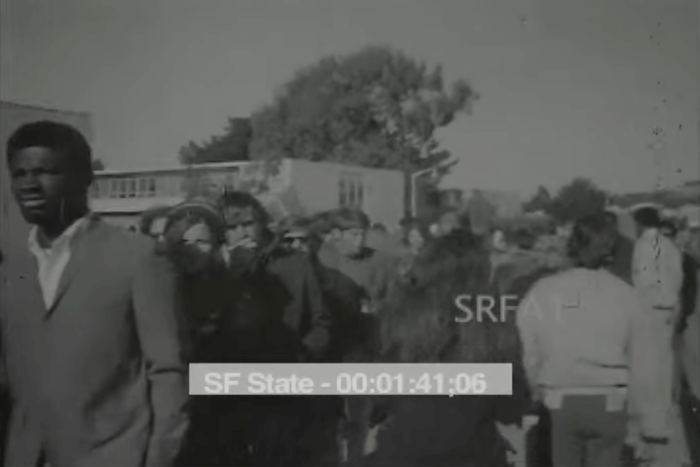
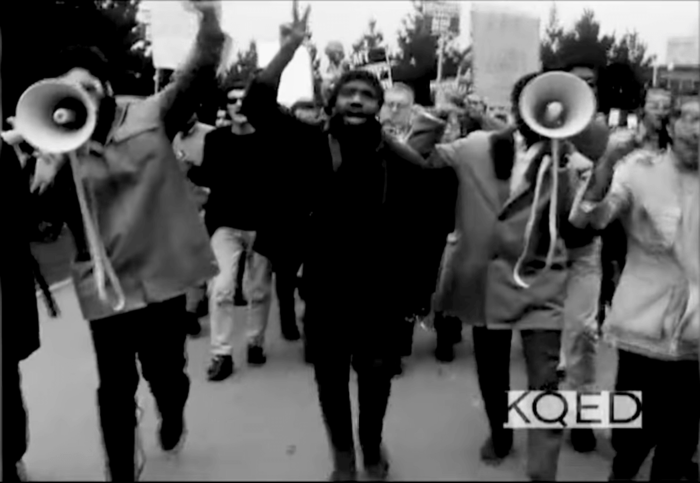
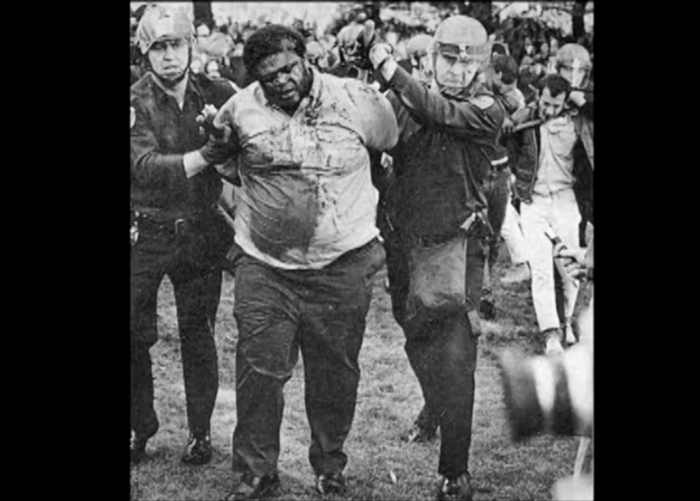
The First Department of Black Studies: the Department of Black Studies was established after the longest student strike in U.S. history on a college campus.
The Mission
The mission of Africana Studies is to advance academic excellence, social responsibility and cultural grounding. Africana Studies focuses on the study of people of African descent from a core paradigm, which seeks human liberation and higher level human functioning. As a discipline, Africana Studies draws its philosophical and intellectual foundation from African culture. The discipline of Africana studies is concerned with investigating the thought and practice of people of African descent using theories, concepts, and perspectives that emerge from the unique heritage, and contemporary experiences of people of African descent. Key to Africana Studies is how our curricular strategies can foster liberatory knowledge that can be used to improve and transform conditions in urban Black communities and global settings. This discipline encourages students to think about how to use the knowledge and skills they acquire to address the needs and concerns of Africana peoples in particular as well as larger society in general.
Therefore, Africana Studies
- Facilitates student analysis and knowledge of the conceptual approaches and tools of inquiry best suited to explore, explain, describe and advance the lived experience(s) of Africana peoples;
- Conduct critical, scientific research on issues of relevance to Africana peoples;
- Creatively and critically evaluate issues that Africana-identified people experience in unique and common ways;
- Apply, analyze and encourage teachers’, students’ and alumni sharing of Africana Studies’ curricular outcomes, knowledge and research with community stakeholders, organizations as well as actively engage in service learning projects;
- Synthesize a core curriculum concerning how people of African descent have demonstrated resilience: consciously shaping and reshaping their environments over time and in the present, while meeting challenges, achieving goals and resisting oppression;
- Demonstrate and evaluate specialized learning and competencies necessary in professions in which they will encounter people of African descent;
- Analyze the diversities of Black experiences as a window to fully comprehend the American experience, and thus, the human experience.
History
| Early 1960 | Bob Slattery and Ella Hill Hutch formed the San Francisco branch of the Congress on Racial Equality (CORE) |
| Mid 1960s | Negro Student’s Association (NSA) is formed Black Student Unions (BSU) is formed Slogan “Black Power” was announced in 1966 |
| 1968 | San Francisco State Strike The Department of Black Studies is established at SF State |
| 1969 to 1973 | Over 600 Black Studies programs and departments are created |
| 1984 | National Black United Front is formed |
| 1999 | Africana Studies Journal |
| 2000 | Imhotep Journal |
| 2005 | Black Studies Department at SF State changed its name to the Africana Studies Department |
| 2017 | Black Unity Center opens |