Nursing (Prelicensure)
Bachelor of Science in Nursing
About this program
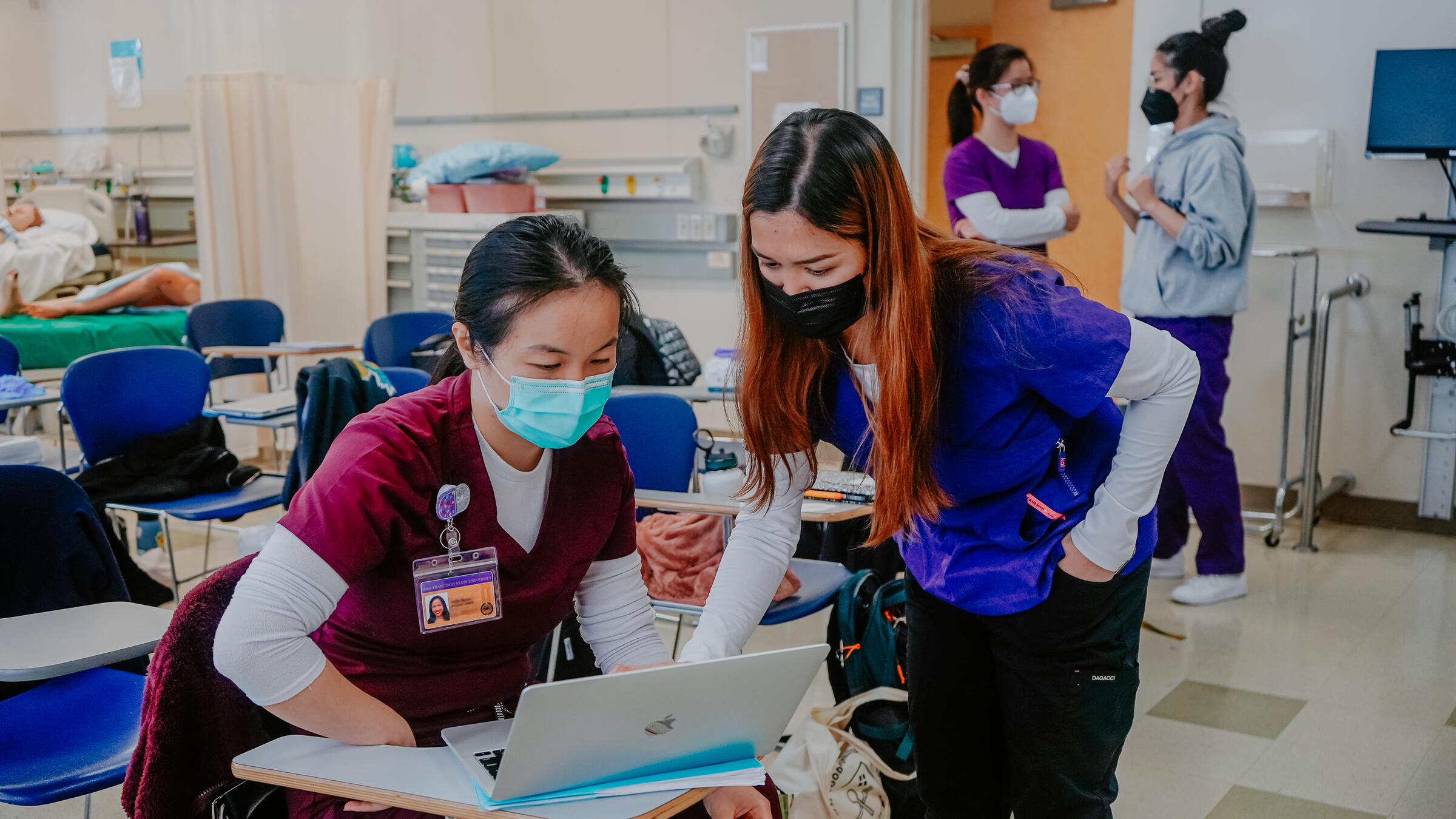
The Bachelor of Science in Nursing prelicensure program at SF State is a two-year program which prepares students for entry level positions in professional nursing practice in a variety of settings including hospitals, community clinics, long term care, home care, and community health agencies. The program combines classroom learning with hands-on clinical experience. You’ll build strong skills in critical thinking, teamwork, and communication. Graduates of the program are eligible for public health nursing certification in California upon licensure as a Registered Nurse and provides the basis for leadership and graduate education in nursing.
Program Curriculum and Requirements
Program Scope
The Nursing Bachelor of Science (BSN) prelicensure program at SF State is a two-year program which prepares students for entry level positions in professional nursing practice in a variety of settings including hospitals, community clinics, long term care, home care, and community health agencies. Graduates work as staff nurses in the following areas: maternity, pediatrics, medical-surgical nursing, gerontology, psychiatric/mental health, and public/community health nursing.
The BSN program is open to California residents who are not registered nurses. Upon completion of the program, students are prepared and eligible to take the national licensing exam to become a registered nurse (NCLEX-RN). Graduates of the program are eligible for public health nursing certification in California upon licensure as a Registered Nurse. The program also provides the basis for leadership and graduate education in nursing.
Program Learning Outcomes
- Recognize the patient or designee as the source of control and full partner in providing compassionate and coordinated care based on respect for patient's preferences, values, and needs.
- Function effectively within nursing and inter-professional teams, fostering open communication, mutual respect, and shared decision-making to achieve quality patient care.
- Integrate best current evidence with clinical expertise and patient/family preferences and values for delivery of optimal health care.
- Use data to monitor the outcomes of care processes and use improvement methods to design and test changes to continuously improve the quality and safety of healthcare systems.
- Minimizes risk of harm to patients and providers through both system effectiveness and individual performance.
- Use information and technology to communicate, manage knowledge, mitigate error, and support decision-making.